City Comparison
Santa Fe or Tucson for retirement?
Two Southwest art-and-desert towns, about 500 miles and 4,500 feet of elevation apart. Here is the honest tradeoff.
Choose Santa Fe if a walkable historic core, the country's third-largest art market, and mild high-desert summers are worth nearly double the housing cost. Choose Tucson if value, stronger healthcare, bigger wild-desert access, and warm winters matter more than escaping the summer heat. The honest catch: both face Southwest water and climate pressures, and each has its own besides, altitude and a weak safety score in Santa Fe, extreme June-to-September heat in Tucson.
Side by side, scored for retirees.
The shaded, checkmarked cell on each row is the stronger one. Ties and single-point gaps are left unmarked.
| Metric | Santa Fe NEW MEXICO | Tucson ARIZONA |
|---|---|---|
| Cost & money | ||
| Typical home value | $590,000 | $326,000 ✓ |
| Estimated retiree budget | $6,000–$7,500/mo | $4,800–$6,000/mo ✓ |
| Budget tier (1 = least expensive) | 3 of 5 | 1 of 5 ✓ |
| Property tax rate | 0.63% | 0.48% ✓ |
| Home insurance estimate | $2,869/yr | $2,344/yr ✓ |
| Our 10-dimension scores | ||
| D1 Airport access | 5/10 | 6/10 |
| D2 Budget | 5/10 | 8/10 ✓ |
| D3 Healthcare | 7/10 | 8/10 |
| D4 Climate resilience & insurance | 5/10 | 4/10 |
| D5 Tax friendliness | 5/10 | 8/10 ✓ |
| D6 Walkability | 6/10 ✓ | 4/10 |
| D7 Outdoor recreation | 7/10 | 9/10 ✓ |
| D8 Active wellness | 6/10 | 7/10 |
| D9 Safety | 3/10 | 5/10 ✓ |
| D10 Community & culture | 10/10 ✓ | 8/10 |
| Climate | ||
| Winters | Four seasons, snow at 7,000 ft | Warm, dry, sunny |
| Summer heat severity (10 = worst) | 5/10, mild at elevation ✓ | 9/10, extreme |
| Summer humidity (10 = worst) | 3/10, dry | 2/10, very dry |
Scored 0–10 across every city on RetireMeHere; higher is better (except where noted). Checkmarks mark the stronger city in each row; ties and near-ties are left unmarked. Data: RetireMeHere city database, July 2026.
What they share
Santa Fe and Tucson are the Southwest's two great art-leaning retirements, about 500 miles apart, and they share more than a love of galleries. Both sit where mountains meet desert, with dry air, big skies, and historic cores that predate the rest of the country's idea of old. Both are car-helpful rather than car-free (walkability scores of 6 and 4). And both live with the Southwest's defining long-term question, water, which is part of why neither scores well on our climate resilience dimension (5 of 10 and 4 of 10). The real choice between them is two altitudes and two price points.
Where the money differs
Tucson is materially cheaper on every line. The typical home value is $326,000 against Santa Fe's $590,000, the estimated retiree budget runs $4,800 to $6,000 a month versus $6,000 to $7,500, and Tucson's property tax rate (0.48% to 0.63%) and home insurance estimate ($2,344 to $2,869 a year) are both lower. Taxes widen the gap: Arizona's flat income tax and full Social Security exemption earn Tucson an 8 of 10 on tax friendliness, while New Mexico taxes more retirement income and scores 5 of 10. That is why Tucson takes the budget dimension 8 of 10 to Santa Fe's 5.
The climate flip: 7,000 feet changes everything
This is the most interesting tradeoff in the pairing, because the two cities solve opposite problems. Santa Fe's roughly 7,000-foot elevation buys genuinely mild summers, a 5 of 10 on our heat scale, in a region famous for the opposite, and the price is a real four-season year with snow and freezing winter nights. Tucson runs the trade the other way: warm, sunny, shirtsleeve winters, and an extreme 9 of 10 summer, with weeks above 100°F from June through September. Both are dry. If your plan is to stay put all year, Santa Fe's summer is the rare Southwest summer you can live in. If your plan is built around winter, Tucson wins it.
Each city's signature strength
Santa Fe's signature is culture, and it is not close: a perfect 10 of 10 for community and culture, the only score of its kind in this matchup. It is the country's third-largest art market after New York and Los Angeles, with the Canyon Road galleries, a renowned opera, and a walkable historic Plaza at the center of a city founded in 1610. Tucson's signature is the wild desert and the practical stuff: 9 of 10 for outdoor recreation, with Saguaro National Park bracketing the city and Mount Lemmon rising above it, plus stronger healthcare (8 of 10, anchored by Banner University Medical Center, the University of Arizona's academic medical center, against Santa Fe's 7, anchored by CHRISTUS St. Vincent). Tucson also edges the airport comparison, 6 of 10 to 5: Tucson International offers 19 nonstop destinations, while Santa Fe's small regional airport serves a handful of hubs and Albuquerque's Sunport is about an hour away.
The honest downsides, and they differ
Tucson's main catch is the one already named: an extreme summer that shuts down midday outdoor life for a third of the year. Santa Fe's catches are quieter but real. Its safety score is 3 of 10, the weakest number on this page, driven largely by property crime, which makes neighborhood choice matter more than usual. Its 7,000-foot altitude is a genuine medical consideration for some retirees with heart or lung conditions, worth a conversation with your doctor before committing. And its healthcare is solid rather than deep: serious specialty care often means the hour's drive to Albuquerque. Both cities carry mid-to-low climate resilience scores, Santa Fe's reflecting wildfire and drought exposure (New Mexico's record 2022 fire season is the reference point), Tucson's reflecting heat and long-term water scarcity. Neither is a disqualifier. Both belong in an eyes-open 20-year plan.
Read the full profile
Each city has its own detailed retirement profile with scores, neighborhoods, hospitals, and tradeoffs.
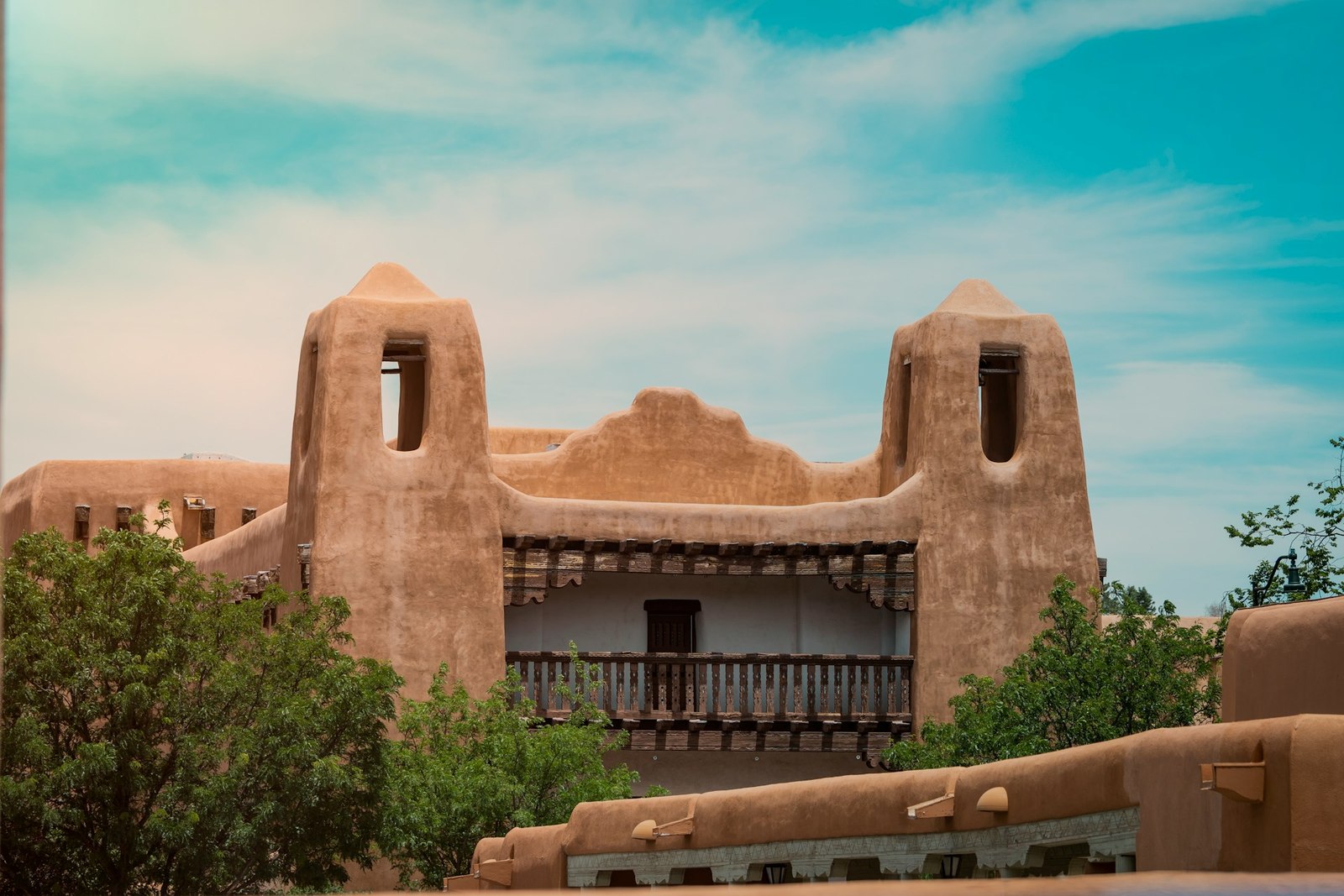
The country's oldest capital city and its third-largest art market, with mild summers at 7,000 feet, at a premium price.
Read the Santa Fe profile →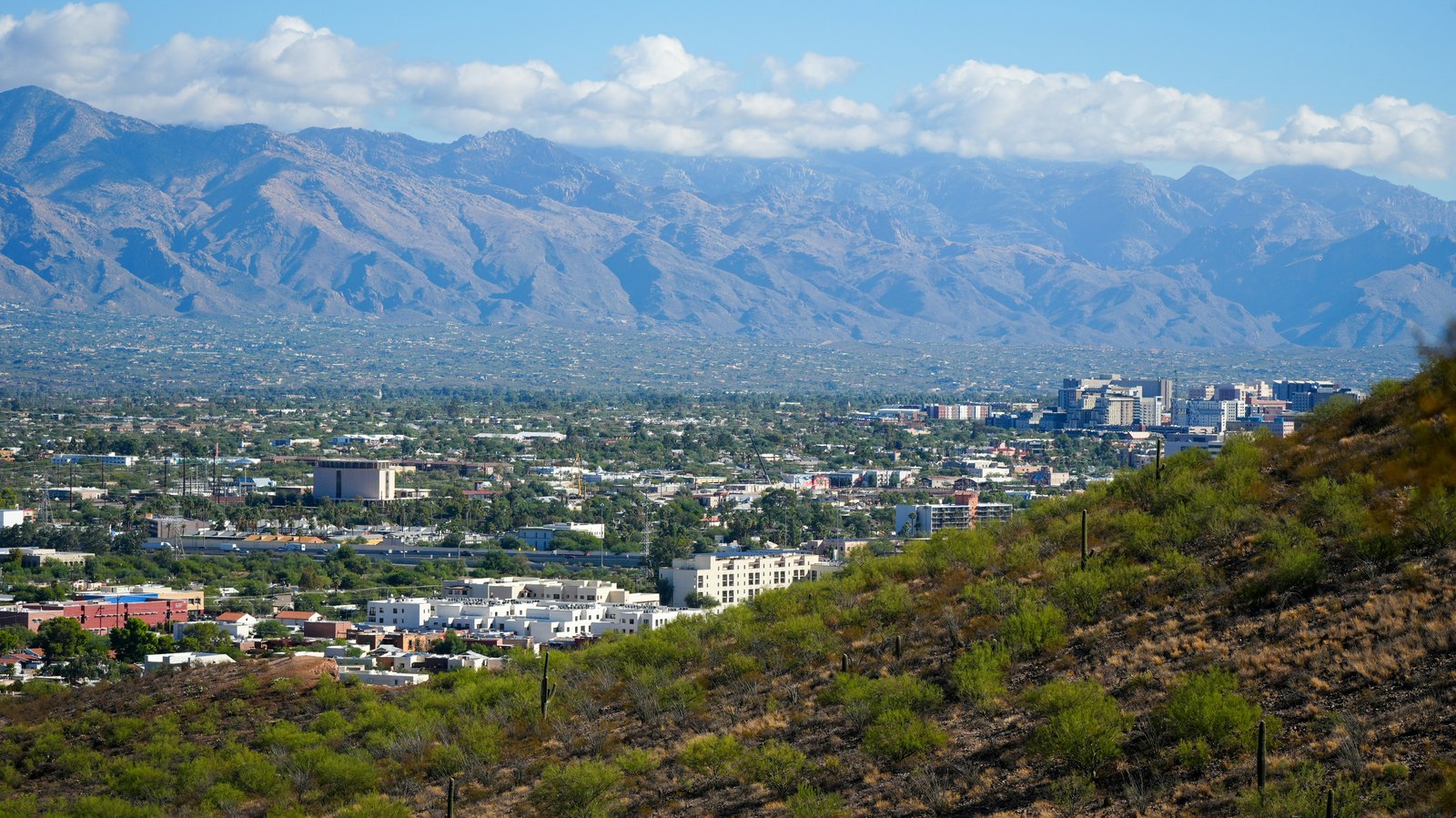
A university town in the wild Sonoran Desert: Saguaro National Park, strong healthcare, and housing at barely half Santa Fe's price.
Read the Tucson profile →Frequently asked
Is Santa Fe or Tucson better for retirement?
Neither wins outright; they win different retirements. Santa Fe takes community and culture (a perfect 10 of 10, as the country's third-largest art market), walkability (6 of 10 vs. 4), and summer climate (5 of 10 heat severity at 7,000 feet vs. Tucson's extreme 9). Tucson takes nearly everything practical: cost (typical home $326,000 vs. $590,000), taxes (8 of 10 vs. 5), healthcare (8 of 10 vs. 7), outdoor recreation (9 of 10 vs. 7), and safety (5 of 10 vs. 3). Choose Santa Fe for the art town with a livable summer; choose Tucson for value, healthcare, and warm winters.
Which is cheaper, Santa Fe or Tucson?
Tucson, on every line. Its typical home value is about $326,000 against Santa Fe's $590,000, its estimated retiree budget is $4,800 to $6,000 a month versus $6,000 to $7,500, and its property tax rate (0.48% vs. 0.63%) and home insurance estimate ($2,344 vs. $2,869 a year) are both lower. Arizona's flat income tax and Social Security exemption also beat New Mexico's broader taxation of retirement income, 8 of 10 to 5 of 10 on our tax dimension.
Which has better healthcare, Santa Fe or Tucson?
Tucson, by a step. It scores 8 of 10, anchored by Banner University Medical Center, the academic medical center for the University of Arizona College of Medicine. Santa Fe scores 7 of 10, anchored by CHRISTUS St. Vincent Regional Medical Center, a solid community hospital, but retirees there often travel about an hour to Albuquerque for deeper specialty care. Both are workable; Tucson has the stronger anchor in town.
How different are the climates in Santa Fe and Tucson?
Very, and in opposite directions. Santa Fe sits at roughly 7,000 feet, so its summers are mild for the Southwest (5 of 10 on our heat scale) but its winters bring real snow and freezing nights. Tucson, at about 2,400 feet, has warm, sunny winters and an extreme summer (9 of 10), with weeks above 100°F from June through September. Both are dry. The choice is essentially which season you want to optimize for, and note that Santa Fe's altitude itself can be a medical consideration for retirees with heart or lung conditions.
Is Santa Fe or Tucson safer?
Tucson scores higher, 5 of 10 to Santa Fe's 3 of 10, and both sit below the middle of the 10-point scale. Santa Fe's score is driven largely by property crime rather than violent crime. In practice that means neighborhood choice matters more in these two cities than in many smaller towns, so visit, talk to locals, and check block-level data before buying in either.
More city matchups
Want a personalized match?