Florida Gulf Coast · Head-to-Head
Pensacola or Fort Myers for retirement?
Florida's two value coasts: the Panhandle's history at a $269,000 median, or the peninsula's warmer winters and deeper healthcare for $41,000 more, with both budget scores tied at 7 and both cities at the bottom of the resilience scale. Here is the honest version of the choice.
The short version
Choose Pensacola for the lower entry price and a different Florida: a $269,000 typical home against Fort Myers' $310,000, monthly budgets from $5,000, a historic downtown, and the Blue Angels overhead. Choose Fort Myers for what that $41,000 buys: perfect-10 warm winters against the Panhandle's 7, healthcare at 9 versus 7 (Lee Health), airport access at 9 versus 7, and the deeper active-adult infrastructure. On money itself the two now sit almost on top of each other: both score 7 of 10 on budget, both sit in budget range 2, and property tax rates and insurance estimates are identical. The shared catch is the storms. Fort Myers scores 1 of 10 for climate resilience and Pensacola 2 of 10, both carry the same $7,136 annual insurance estimate, and both measure time by hurricanes locals can still name.
The scored comparison
Both cities scored the same way, on the same ten dimensions. The pattern: the money rows have converged to near-ties, Fort Myers owns the comfort-and-infrastructure rows, and the winter row decides more retirements than any other.
| Metric | Pensacola FLORIDA | Fort Myers FLORIDA |
|---|---|---|
| Cost & money | ||
| Typical home value | $269,000 ✓ | $310,000 |
| Estimated retiree budget | $5,000–$6,200/mo | $5,200–$6,500/mo |
| Budget tier (1 = least expensive) | 2 of 5 | 2 of 5 |
| Property tax rate | 0.78% | 0.78% |
| Home insurance estimate | $7,136/yr | $7,136/yr |
| Our 10-dimension scores | ||
| D1 Airport access | 7/10 | 9/10 ✓ |
| D2 Budget | 7/10 | 7/10 |
| D3 Healthcare | 7/10 | 9/10 ✓ |
| D4 Climate resilience & insurance | 2/10 | 1/10 |
| D5 Tax friendliness | 9/10 | 9/10 |
| D6 Walkability | 4/10 | 3/10 |
| D7 Outdoor recreation | 7/10 | 6/10 |
| D8 Active wellness | 6/10 | 8/10 ✓ |
| D9 Safety | 6/10 | 6/10 |
| D10 Community & culture | 7/10 | 7/10 |
| Climate | ||
| Warm winters | 7/10 | 10/10 ✓ |
| Summer comfort (10 = most comfortable) | 5/10 | 4/10 |
| Humidity (lower = drier) | 9/10 | 9/10 |
| Extreme heat exposure (lower = less) | 7/10 | 7/10 |
Scored 0–10 across every city on RetireMeHere; higher is better (except where noted). Checkmarks mark the stronger city in each row; ties and near-ties are left unmarked. Data: RetireMeHere city database, July 2026.
The five tradeoffs that actually decide it
1. The money stopped deciding this, and that is the story.
On the rows a retiree usually decides with, these two have converged. Both score 7 of 10 on budget, both sit in budget range 2 of 5, both carry a 0.78% property tax rate, and both carry the same $7,136 insurance estimate. What is left is a single figure: Pensacola's typical home runs $269,000 against Fort Myers' $310,000, about $41,000, with a monthly floor roughly $200 lower. Neither number is nothing. Twenty years of that monthly difference is another $48,000 on top of the $41,000 at purchase, and on a fixed income that deserves naming. But it is no longer the kind of gap that settles a decision by itself, and reading it as Pensacola's saving gets this page backwards. Read it as Fort Myers' asking price instead, then ask what the $41,000 buys.
2. The winter row decides more retirements than any other.
Here is the row that does the real work: warm winters score a perfect 10 in Fort Myers and a 7 in Pensacola. The peninsula delivers the February that people move to Florida for; the Panhandle delivers a pleasant-by-national-standards winter with January nights in the 40s and occasional freezes. If winter warmth is the reason you are leaving home, Fort Myers settles it. If "mild enough" is genuinely mild enough, Pensacola banks the savings, and its summers run a touch less brutal in exchange.
3. What the $41,000 buys: healthcare, airport, and the active-adult machine.
For about 15% more at purchase, Fort Myers returns three of the rows retirees weight most heavily. Healthcare is 9 against 7: Lee Health, carrying Southwest Florida's acute care and specialist depth on its own, against Pensacola's solid regional bench of Baptist Health Care and Ascension Sacred Heart. The airport is 9 against 7, RSW's broad nonstop map against smaller PNS. And active wellness runs 8 against 6, the gated golf-and-pickleball machine against a town that recreates on water and history instead. Measured against $41,000 rather than the six-figure gap this page used to describe, that is a great deal of infrastructure for the money, and it is the strongest argument here for the pricier city. One Pensacola counterweight our scores cannot fully capture: for military retirees, Naval Hospital Pensacola, the VA presence, and the commissary ecosystem are a healthcare and lifestyle layer Fort Myers cannot match.
4. The shared catch, at the bottom of the scale on both coasts.
Both sit at the floor of the ten-point resilience scale: Fort Myers scores 1 of 10 for climate resilience as Hurricane Ian's 2022 ground zero, and Pensacola scores 2, with Ivan in 2004 and Sally in 2020 as the Panhandle's receipts. The insurance estimate is the same $7,136 a year in both, with barrier islands far above it. Choosing between these two cities adjusts which storm history you inherit, not whether you inherit one. Either retirement starts with the insurance quote, the flood map, and an evacuation plan.
5. Navy town or golf town: nearly the same price, opposite textures.
With the money rows near-neutral, this is most of what is actually left to choose between. The scores tie at 7 for community and culture, and describe completely different things. Pensacola's 7 is 1559, five flags, Palafox Street, Seville Square, and the Blue Angels rehearsing over the bay: a historic small city with a Navy heartbeat. Fort Myers' 7 is the Edison estates, spring training twice over, and the social machinery of the gated communities: an active-adult landscape with a river city at its core. Spend a week in each; the right answer tends to announce itself. The honest tiebreakers are February's thermometer and the hospital bench, in that order for most people.
Go deeper on each city
Full editorial profiles: neighborhoods, healthcare, a typical week, and the honest fit lists.
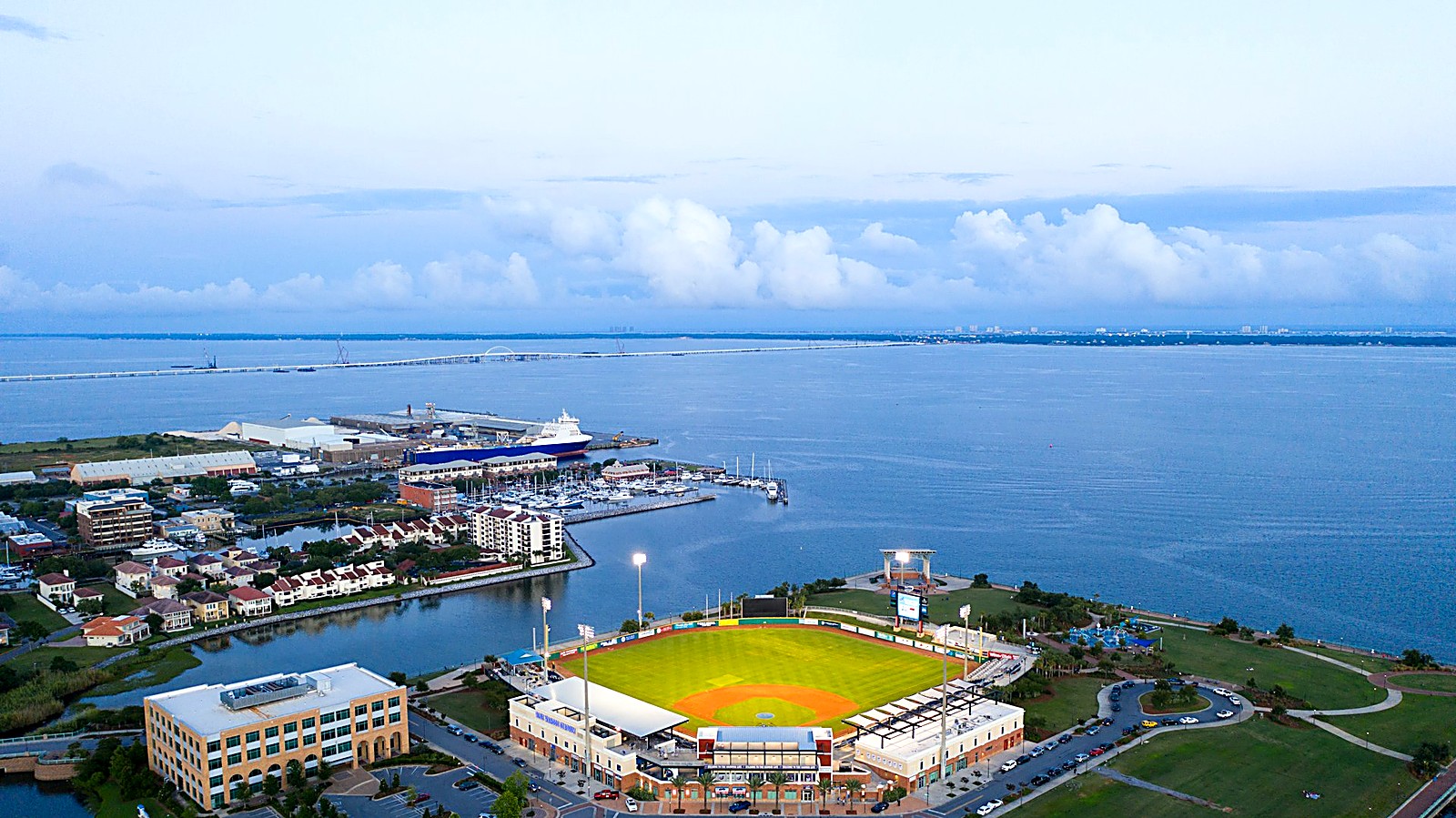
America's oldest settlement story at a $269,000 median, $41,000 below Fort Myers, with the Blue Angels overhead and the Panhandle's fine print told straight.
Read the Pensacola profile →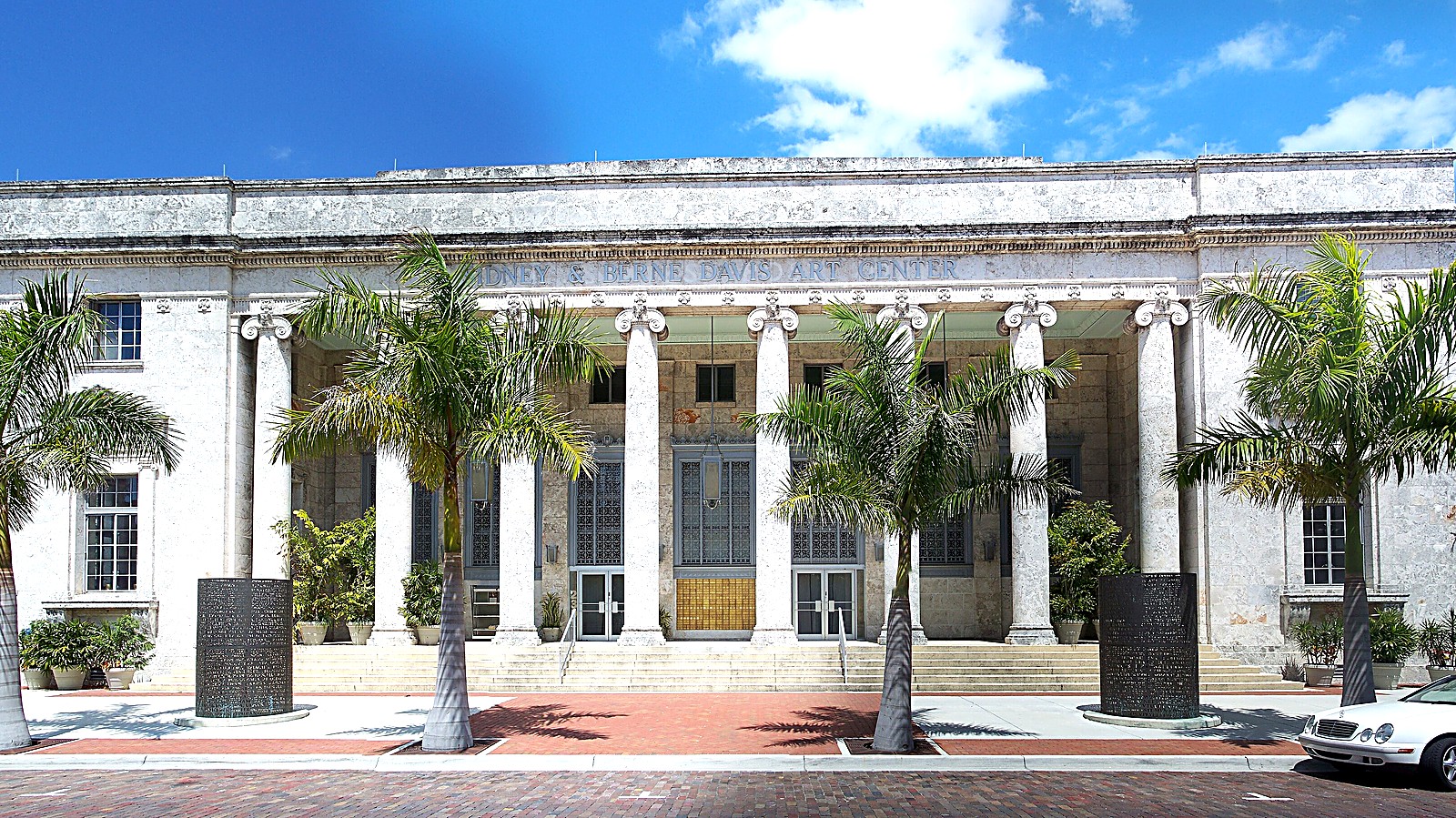
The City of Palms: Lee Health scoring 9, RSW scoring 9, and the Ian ledger told straight.
Read the Fort Myers profile →Pensacola vs. Fort Myers for retirees: the questions people actually ask
Is Pensacola or Fort Myers better for retirement?
They are Florida's two value coasts, and money no longer separates them. Both score 7 of 10 on budget and both sit in budget range 2, with a $269,000 typical home against $310,000, about $41,000 apart. Fort Myers wins the comfort and infrastructure rows: perfect-10 warm winters vs. 7, healthcare 9 vs. 7 (Lee Health), airport access 9 vs. 7, and active wellness 8 vs. 6. Pensacola answers with the lower entry price, a historic downtown, slightly better outdoor recreation and walkability, and one rung more climate resilience. Safety ties at 6, and both sit at the bottom of our climate-resilience scale.
Is Pensacola cheaper than Fort Myers?
Yes, but by less than it looks. Pensacola's typical home value is $269,000 against Fort Myers' $310,000 as of June 2026, a gap of about $41,000, with monthly retiree budgets of roughly $5,000–$6,200 versus $5,200–$6,500. Both cities score 7 of 10 on budget and both sit in budget range 2 of 5, so the budget dimension does not separate them. Property tax rates (0.78%) and home insurance estimates ($7,136 a year) are identical.
Is Pensacola or Fort Myers warmer in winter?
Fort Myers, decisively, and for many retirees this is the deciding row. Fort Myers scores a perfect 10 of 10 for warm winters; Pensacola scores 7. The peninsula delivers reliably warm Februarys, while Panhandle winters are pleasant by national standards but real: January nights in the 40s and occasional freezes. On our summer-comfort scale the two are nearly identical (Pensacola 5, Fort Myers 4, higher is more comfortable), so the winter gap is the meaningful climate difference between them.
Is healthcare better in Pensacola or Fort Myers?
Fort Myers, 9 of 10 versus 7 of 10. Lee Health is one of Florida's largest public health systems and carries Southwest Florida's acute care, trauma, and specialist depth on its own. Pensacola's bench is solid for its size, anchored by Baptist Health Care's 2023 flagship campus and Ascension Sacred Heart, with one layer Fort Myers lacks: Naval Hospital Pensacola and a major VA presence, which can tip the decision for military retirees specifically.
Do Pensacola and Fort Myers have the same hurricane risk?
Both are at the bottom of our climate-resilience scale, with Fort Myers one rung lower. Fort Myers scores 1 of 10, the lowest score on our ten-point scale, as Hurricane Ian's 2022 ground zero; Pensacola scores 2 of 10, with Ivan (2004) and Sally (2020) as the Panhandle's receipts. Insurance estimates are identical at $7,136 a year, with barrier-island addresses far above on both coasts. Either choice requires the insurance quote, flood-zone diligence, and an evacuation plan as foundational decisions.
More city matchups
Still deciding?